What Does Nearly a Century of Tradition Actually Look Like?
Not many community events survive long enough to count their anniversaries in the high nineties. The North Texas Fair & Rodeo, which opens its 98th edition on August 21 and runs through August 30, 2026, at the North Texas Fairgrounds on 2217 N Carroll Blvd, is one of those rare institutions that has outlasted economic downturns, generational shifts in entertainment, and the relentless churn of the modern attention economy. For Denton, that longevity is not a footnote — it is a defining civic fact.
Planning and tickets are active right now, which makes this a reasonable moment to think carefully about what the fair represents, how it has maintained relevance, and what a ten-day run in a mid-sized North Texas college town actually involves.
Why Does a Ten-Day Run Matter to a City Like Denton?
Denton occupies a particular position in the North Texas landscape. It is large enough to sustain a diverse cultural calendar year-round — with venues, markets, library programming, and a robust live music scene anchored by institutions stretching back decades — yet compact enough that a single event drawing visitors from across the region registers meaningfully in civic life. The fair’s ten-day footprint at the Carroll Boulevard fairgrounds is substantial by any measure.
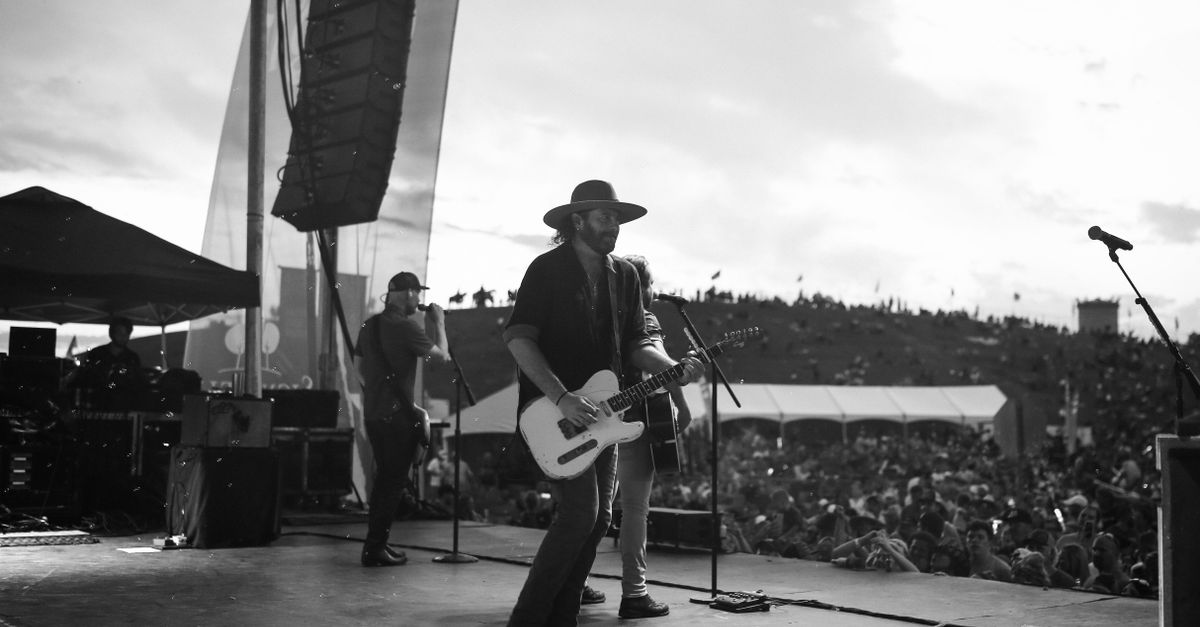
The event’s programming spans country music performances, rodeo competitions, livestock shows, and family activity zones. That breadth is deliberate. A single-night concert or a weekend festival serves a narrow slice of a community’s population. A ten-day event with rotating programming across multiple categories functions differently: it creates successive entry points for residents who might not share the same interests, schedules, or family configurations.
For a city where the University of North Texas and Texas Woman’s University contribute a large transient population alongside a deeply rooted longtime resident base, events that can speak across those demographics carry particular value. The livestock shows and rodeo competitions connect to the agricultural heritage of Denton County in ways that few other local events attempt. The country music performances and family zones pull in a broader general audience. The result, across 98 years, has been an event that functions less as a niche attraction and more as a communal gathering point.
How Does the Fair Fit Into Denton’s Broader Summer Calendar?
This summer has been a notably active one for community programming in Denton. The Twilight Tunes free concert series has been running on the courthouse lawn on the downtown square throughout the season. The Denton Community Market continues its Saturday morning rhythm at 317 W. Mulberry Street, running 9 a.m. to 1 p.m. with producer-only vendors. The Denton Public Library wrapped its all-ages summer reading challenge on August 4. New businesses have been opening with ribbon cuttings and grand openings on a nearly weekly basis through the Chamber of Commerce calendar.
The fair arrives at the tail end of this summer arc, beginning just one day after August 20 and running nearly into September. In practical terms, it functions as a capstone — the event that closes out the warm-weather season before the academic calendar resets the rhythm of the city. For families in particular, the timing carries weight. School schedules in Denton and the surrounding area mean that late August is simultaneously a period of back-to-school transition and one of the last extended windows for outdoor, daytime family activity before fall routines lock in.
That positioning is not accidental. Fairs of this type have historically understood their role in the agricultural and academic calendar. The North Texas Fair & Rodeo’s late-August dates reflect a scheduling logic that predates the modern school year debates around start dates, rooted instead in the rhythms of county fair tradition across Texas.
What Makes the Rodeo Component Distinct?
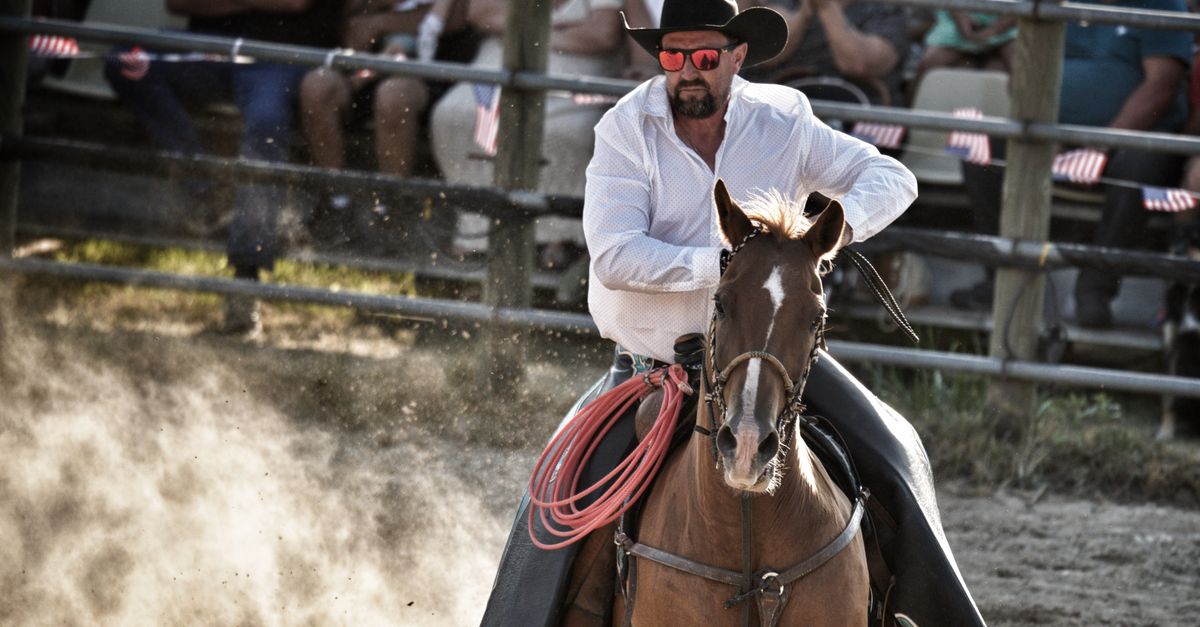
Within the broader fair programming, the rodeo competitions deserve particular attention as a differentiating element. Rodeo is not decorative in Denton County — it reflects genuine agricultural engagement in the surrounding region. While Denton the city has urbanized substantially, Denton County as a whole retains significant ranching and farming activity. The rodeo at the North Texas Fairgrounds serves as a connective tissue between the city’s increasingly urban identity and the county’s rural traditions.
Competitions in events like barrel racing, bull riding, and roping require both skilled competitors and knowledgeable audiences to sustain meaningful participation over time. The fact that the North Texas Fair & Rodeo has maintained rodeo programming across 98 consecutive years suggests a community infrastructure — in terms of both participants and spectators — that has not eroded despite broader demographic changes in the area.
For visitors attending the fair primarily for music or midway-style family activities, the rodeo offers a form of cultural education that is difficult to replicate in other settings. Watching competitive rodeo in a context where the surrounding community has direct ties to that tradition is a qualitatively different experience than encountering it as a purely touristic spectacle.
What Should Prospective Attendees Be Thinking About Now?
With tickets and planning active ahead of the August 21 opening, there are practical considerations worth working through in advance. The North Texas Fairgrounds at 2217 N Carroll Blvd sits on a defined footprint, and a ten-day event with rotating programming means that crowd levels and parking dynamics will vary considerably depending on which specific days and performances draw the largest audiences. Country music performance nights, in particular, tend to concentrate attendance in ways that livestock show mornings do not.
The ten-day span also gives attendees flexibility that a single-weekend festival cannot offer. Families who want to prioritize the livestock shows and rodeo competitions can plan separately from those whose primary interest is the music programming. That modularity — the ability to attend once, twice, or across multiple days depending on personal interest — has historically been one of the structural advantages that longer-format fairs hold over shorter events.
For longtime Denton residents, the 98th edition carries a specific milestone weight. The centennial in 2028 is close enough to feel relevant, making this year’s event part of a longer arc of anticipation. How the fair continues to evolve its programming and presentation over the next two years, as it builds toward that landmark, will be worth watching.
In the meantime, the North Texas Fairgrounds on Carroll Boulevard will be, for ten days beginning August 21, the place where Denton’s various communities — longtime residents, university populations, surrounding county visitors — find common ground in a tradition that has been running longer than most of the city’s current inhabitants have been alive.